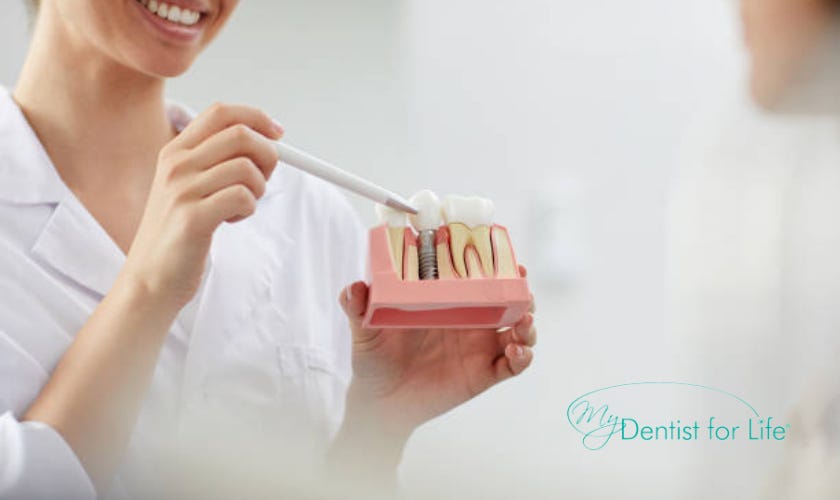
Showing posts with label Dentist 33323. Show all posts

Wednesday, August 28, 2024

Is Surgical Extraction of Wisdom Tooth Painful?


When you hear about wisdom tooth extraction, it’s natural to feel a little anxious—especially when it involves surgery. But just how painful is the surgical extraction of a wisdom tooth? This blog dives deep into what you can expect, from the moment you walk into the dentist's office to the days following the procedure. We’ll break down the process, manage your expectations, and provide tips to help you through your recovery.

What Are Wisdom Teeth?

Wisdom teeth, also known as third molars, are the last set of teeth to emerge in the mouth, usually between the ages of 17 and 25. These teeth are remnants of our evolutionary past when our ancestors needed extra molars to chew a rougher diet of roots, nuts, and meat. Today, however, our softer diets and smaller jaws often mean there isn’t enough room for these latecomers, leading to a host of dental issues.

Why Do Wisdom Teeth Cause Problems?

Most people’s jaws are not large enough to accommodate these extra molars, leading them to become impacted. This means they may not fully emerge or they may grow at an awkward angle, pushing against other teeth. Impacted wisdom teeth can cause pain, swelling, infection, and even damage to neighboring teeth. This is why many dentists recommend their removal, even before they cause problems.

When Do Wisdom Teeth Come In?

Wisdom teeth typically begin to erupt between the ages of 17 and 25, though this can vary. Some people may experience them coming in as late as their early 30s, while others may never develop them at all. The timing of their emergence can affect whether they cause problems. For instance, younger patients tend to heal faster from extractions, making the procedure less daunting when done earlier.

Early Signs That Wisdom Teeth Are Coming In

  • Tenderness and swelling in the back of the mouth
  • Jaw stiffness or difficulty opening the mouth fully
  • Gums that bleed easily around the emerging tooth
  • Persistent bad breath or an unpleasant taste in the mouth

Why Are Wisdom Teeth Removed?

The primary reason for removing wisdom teeth is to prevent or alleviate problems caused by their impaction. When wisdom teeth don’t have enough room to grow, they can cause a range of issues, from pain and infections to cysts and even damage to adjacent teeth.

Common Reasons for Extraction

  • Impaction: When the tooth is trapped under the gum or against another tooth.
  • Infection: Partially erupted teeth can be hard to clean, leading to bacterial growth and gum disease.
  • Crowding: If the wisdom teeth push against other molars, they can cause misalignment.
  • Decay: Due to their location, wisdom teeth are prone to cavities as they are difficult to clean properly.

Is Wisdom Teeth Removal the Most Painful Surgery?

The idea of having a wisdom tooth surgically removed can be intimidating, especially when it comes to pain. However, with modern anesthesia and pain management techniques, the discomfort is generally manageable.

Understanding the Pain

  • During the Procedure: You will likely be under local anesthesia, sedation, or even general anesthesia, depending on the complexity of the extraction and your anxiety levels. This means you won’t feel pain during the surgery itself, though you might feel some pressure or hear sounds of the tooth being removed.
  • Post-Procedure Pain: Once the anesthesia wears off, it’s normal to experience some pain, swelling, and discomfort. However, most patients find that the pain can be controlled effectively with prescribed medications and over-the-counter pain relievers.

How Long Does Pain Last After Surgical Wisdom Tooth Extraction?

Pain after wisdom tooth extraction varies from person to person, but it typically follows a predictable timeline.

The Pain Timeline

  • First 24 Hours: This is when pain and swelling are at their peak. It’s important to rest and follow your dentist's post-operative instructions carefully.
  • Days 2-3: The pain usually begins to subside, though swelling may increase before it starts to go down.
  • Day 4 and Beyond: By the fourth day, many patients report a significant reduction in pain. Most discomfort should resolve within a week, though some mild soreness may linger for a few more days.

Can I Go to Work the Next Day After Wisdom Tooth Extraction?

Whether you can return to work the day after your wisdom tooth extraction depends on several factors, including the complexity of the extraction, your pain tolerance, and the nature of your job.

Considerations Before Returning to Work

  • Type of Job: If your job is physically demanding, involves heavy lifting, or requires a lot of talking, it might be wise to take a few days off to allow your body to heal.
  • Pain Management: If you’re able to manage the pain with over-the-counter medications and feel comfortable, you may be able to return to work sooner.
  • Swelling and Bruising: Keep in mind that visible swelling and bruising can last several days, which might make you feel self-conscious, especially in customer-facing roles.

Do They Break Your Jaw to Remove Wisdom Teeth?

A common myth is that dentists break your jaw to remove wisdom teeth. Rest assured, this is not true. The procedure may involve cutting the gum or breaking the tooth into smaller pieces, but the jawbone itself remains intact.

The Surgical Process

  • Accessing the Tooth: The dentist or oral surgeon will make an incision in the gum to expose the tooth.
  • Sectioning the Tooth: In some cases, the tooth may be divided into smaller pieces to make removal easier.
  • Removing the Tooth: The tooth is carefully extracted, and the site is cleaned to remove any debris.
  • Stitches: The gum may be stitched up to promote healing, depending on the incision.

What to Expect After the Surgery

After the surgical extraction, it’s important to follow all post-operative instructions provided by your dentist. This will help manage pain, reduce the risk of complications, and promote faster healing.

  • Pain and Swelling: Use ice packs and take prescribed pain medication as directed.
  • Diet: Stick to soft foods and avoid using straws, as the sucking motion can dislodge the blood clot and lead to dry socket, a painful condition.
  • Oral Hygiene: Keep the extraction site clean by gently rinsing with salt water, but avoid vigorous brushing around the area.

Conclusion

Surgical extraction of a wisdom tooth can sound daunting, but understanding the procedure and what to expect can help alleviate much of the anxiety. While there is some pain involved, it is typically manageable and short-lived. By following your dentist’s post-operative care instructions, you can ensure a smooth recovery and return to your normal routine quickly.

If you’re concerned about an upcoming wisdom tooth extraction, don’t hesitate to discuss your fears with your dentist. They can provide additional guidance, reassurance, and pain management strategies to help you through the process. Remember, the discomfort is temporary, but the relief from potential dental issues can last a lifetime.

Monday, July 22, 2024

What is the Most Common Complication After Tooth Extraction?


Tooth extraction is a common dental procedure, often necessary to resolve issues like severe decay, infections, or overcrowding. However, like any surgical procedure, it comes with potential complications. The most common complication after tooth extraction is dry socket, a painful condition that can significantly impact your recovery.

Understanding Dry Socket

Dry socket, or alveolar osteitis, occurs when the blood clot at the site of the tooth extraction fails to develop, dislodges, or dissolves before the wound has healed. This leaves the underlying bone and nerves exposed, leading to severe pain and delayed healing.

Causes of Dry Socket

  • Poor Oral Hygiene: Not keeping the extraction site clean.
  • Smoking: Chemicals in cigarettes can prevent clot formation.
  • Trauma: Dislodging the clot through vigorous rinsing or sucking actions.
  • Infections: Pre-existing infections can increase the risk.

Recognizing Complications After Tooth Extraction

It's essential to know when something is wrong after a tooth extraction to seek timely intervention. Recognizing the signs of complications can prevent more severe issues.

Signs of Dry Socket

  • Severe Pain: Intense pain that radiates to your ear, eye, temple, or neck.
  • Empty Socket: Visible bone within the extraction site.
  • Bad Breath: Unpleasant odor or taste in your mouth.

Other Potential Complications

  • Infection: Redness, swelling, and pus at the extraction site.
  • Prolonged Bleeding: Bleeding that doesn’t stop after a few hours.
  • Nerve Injury: Numbness or tingling in the lips, tongue, or chin.

Normal Symptoms After Tooth Extraction

Not all post-extraction symptoms are cause for concern. Some discomfort and swelling are normal parts of the healing process.

Expected Symptoms

  • Swelling: Typically peaks around 48 hours post-extraction.
  • Mild Pain: Manageable with over-the-counter pain relievers.
  • Bruising: Can appear around the extraction area and on the face.
  • Slight Bleeding: Light bleeding or oozing for the first 24 hours.

Speeding Up the Healing Process

Proper care can significantly impact how quickly and comfortably you recover from a tooth extraction. Here are some tips to promote faster healing.

Tips for Faster Healing

  • Follow Your Dentist’s Instructions: Adhering to care guidelines is crucial.
  • Keep the Area Clean: Rinse gently with salt water after 24 hours.
  • Avoid Straws and Smoking: Prevents dislodging the blood clot.
  • Eat Soft Foods: Stick to a soft diet to avoid irritating the extraction site.
  • Rest and Hydrate: Give your body the energy it needs to heal.

Choosing My Dentist For Life of Plantation for Tooth Extractions

If you're considering Tooth Extractions in Plantation, We at My Dentist For Life of Plantation offers expert care to ensure a smooth and safe experience.

Why Choose Us?

  • Experienced Dentists: Skilled in handling complex extractions.
  • Comprehensive Care: From extraction to aftercare, we guide you through every step.
  • Patient-Centered Approach: Personalized care tailored to your needs.
  • State-of-the-Art Facility: Advanced technology for optimal outcomes.

Final Thoughts

While dry socket is the most common complication after tooth extraction, understanding the risks and taking preventive measures can help you avoid it. Recognizing the signs of complications and knowing what normal symptoms to expect will aid in your recovery process. At My Dentist For Life of Plantation, we are committed to providing exceptional care for Tooth Extractions Plantation, ensuring your comfort and health every step of the way.

Your Path to a Healthy Smile

Embark on your journey to a healthier smile with confidence. Whether you need an extraction or any other dental service, trust the experienced team at My Dentist For Life of Plantation to provide the best care possible. Schedule your consultation today and take the first step toward optimal oral health!

Monday, April 4, 2022

How Painful Is All-On-4-Implants?


 Dental implants have come a long way with time. It is now considered the most popular teeth replacement option and can be afforded by almost everyone. But, people often nurture the misconception of all-on-4-implants being a very painful option to choose. Do you have a similar thought in mind? If yes then going through this blog can be of great help and also provided you with a different perspective. 

If you have multiple missing teeth, going for all-on-4-implant is a perfect option. You just need to fulfill a few criteria. We have listed them in the pointers below:

  • You need to have a healthy jawbone
  • You need to maintain a proper oral hygiene routine
  • You must avoid smoking
  • You should have healthy gums

Getting all-on-4-implants is not painful at all if performed under the observation of a trained dental professional. The process takes not more than 2 hours to get executed. 

Is the recovery process very difficult?

You need to know that recovering from the all-on-4-implants process is not difficult and might feel hassle-free if done correctly. But, adopting a few measures can make the treatment a grand success.

Maintain your oral hygiene:

Try to reduce contact with your sensitive gums after flossing or brushing. This will help to prevent disruption of surgical stitches and in turn, reduce the chances of suffering from tremendous pain. It is advisable to rinse the wounded areas with salt water to keep them clean. 

Do go for follow-up visits:

It is important to go for dental visits after the treatment. This provides your dentist with an opportunity to access the recovery rate and implant’s progress from the surgery. There are times when patients go through a little discomfort due to the jawbone may shift during its fusion with the implants. Though this cannot cause pain but needs to be resolved as early as possible. Meeting a dentist will help do so. 

Final Words

You might have now figured out that going for all-on-4-implants is not going to be painful for you. Stay assured that you might have to just face minimal discomfort. So there is nothing to worry about! Stop suffering from the problem of missing teeth and contact a dental clinic near you. You can get in touch with My Dentist for Life if you are looking for dental implants treatment in Plantation, FL. Our professionals are here to provide you with the best possible service. Call us at (954) 932 – 7273.

Friday, March 25, 2022


 One of the most important aspects of our entire facial shape is our teeth. A sincere and friendly grin is a show of genuineness and warmth. Many of us have a natural aversion to those who don’t smile. The explanation for one’s refusal to smile, on the other hand, could be as simple as the state of one’s teeth. It’s tough to feel comfortable displaying anything about which we’re self-conscious. The same is true when it comes to grins, since having a terrible set of teeth may make you reluctant to show off your pearly whites.

If this describes you, going for cosmetic dental treatments can effectively resolve the problem. As a result, here are six suggestions for finding the finest cosmetic dentist for you.

Do Ask For References

When looking for a cosmetic dentist, the first thing you should do is ask your friends, family, neighbors, or present dentist for advice. Some dental offices may not have the necessary equipment to perform certain cosmetic dental work, but they may be able to prescribe a more specialized technique for you.

Go Through Online Reviews

Once you have a dentist’s office’s name, the next step is to look for online reviews to figure out what others have to say about it. You should work with a dentist’s office that is clean, trustworthy, and professional. As a result, you’ll be able to visit one that provides the best service.

Consider Looking For Testimonials

Another area to seek insight is through patient and client testimonies. This is frequently the most dependable source of information, as these individuals are eager to share their personal experiences. You can get a better understanding of what the dental office is like and whether or not you should pay for their services by reading the reviews and comments.

Choose A Dental Office That Specializes In The Area Of Your Need

Although most cosmetic dental facilities provide similar services, not all of them specialize in the same area. For example, one dental office might have the greatest instruments and staff for tooth whitening, while another would be more equipped to handle orthodontics. As a result, you’ll need to choose one that’s right for you in order to get the finest results from the operation you want to do.

Discuss Your Insurance Policy With The Dentist

Since the costs of cosmetic dentistry can be quite exorbitant, you should double-check that your insurance policy will cover them. Furthermore, some dental practices have agreements with specific insurance carriers, thus they will not accept coverage from their competitors. You should schedule an appointment with the dentist ahead of time to avoid any problems later on.

We hope that you have now know how to find the best cosmetic dentist nearby. Book an appointment at My Dentist For Life if you are looking for the best cosmetic dentist in Plantation, FL. Give us a call to schedule a visit today! 

My Dentist For Life offers the best dental services on Plantation and our dental office is conveniently located at https://www.google.com/maps/d/u/0/viewer?ll=26.139659142478727%2C-80.2716305&z=14&mid=1ItIi5E2s9iRJJH5oaRktK9s0pygWKMeb


Tuesday, March 22, 2022

Know The Advantages Of Periodontal Therapy


 Periodontal therapy is a non-surgical or conservative gum disease treatment. Its purpose is to prevent periodontal disease from progressing to where surgery is required. It also helps restore healthy gums, which effectively enables one to avoid loss of teeth.

For minor periodontitis, this is usually the initial line of treatment. When patients have at least one tooth with 3 mm of gum attachment loss, they are considered to be in this stage of gum disease. Minor periodontitis affects about 9% of patients with periodontal disease.

Gingivitis, unlike periodontitis, is merely a gum irritation. Though, you need to know that untreated gingivitis can lead to periodontitis. Gingivitis can also be treated with periodontal therapy. In this blog, we will discuss the benefits of periodontal treatment in detail. 

What Are The Benefits Of Periodontal Therapy?

The best dentist in Plantation has come up with the advantages of periodontal therapy in the pointers below:

  • Gum disease is usually accompanied by bad breath. It is caused by a lack of good oral hygiene, which leads to the formation of plaque and tartar beneath the gum line. Periodontal therapy might help you get rid of foul breath and breathe easier.
  • Since the gums frame the contour of your teeth, they are really crucial to the appearance of your smile. Gum disease can cause your gums to bleed and swell, making it difficult to smile. Fortunately, periodontal therapy keeps your gums clean and aligned with your teeth, enhancing your smile. To add on, periodontal therapy cleans your teeth to prevent discoloration.
  • The state of your teeth and gums can reveal a lot about your general health. Your dentist can detect any potential health risks through periodontal therapy. Bacteria may enter your circulation and harm other body organs such as your kidney and liver if not treated promptly. These problems can be avoided with gum therapy.
  • Due to bleeding, infected gums can be uncomfortable, sore, and painful. It can make you feel uneasy even when cleaning or flossing your teeth, worsening your situation. These gum disease symptoms may be relieved with periodontal therapy.

Aftercare Tips To Follow After Undergoing Periodontal Therapy

You can resume your regular oral health routine after going for periodontal therapy. Every meal should be followed by flossing and brushing for at least two minutes. Eating food items high in immune boosters, such as fruits and vegetables, can also help your gums heal.

If your dentist recommends antibiotics, make sure to follow the instructions carefully. This lowers the chances of germs developing drug resistance. It’s also a great idea to visit your dentist more often than recommended (twice a year). This allows your oral healthcare practitioner to keep a closer eye on the condition of your gums and teeth.

Is Periodontal Therapy Painful?

A numbing medication will be applied to the gums and tooth roots before the treatment procedure. The local anesthetic is fast-acting and will keep you numb during the process. Scaling or planning may produce little discomfort in the case of people with a low pain threshold.

The treated area may remain numb for an hour or two after the therapy session. Once the anesthetic wears off, you may experience mild discomfort or slight tenderness. These unpleasant sensations usually fade away within a day or two.

Do not hesitate to tell your dentist if you are concerned about the pain before the treatment. Other sedative options may also be available at the dental office. While your gums heal, your dentist may prescribe pain management medications for you to take home.

At My Dentist For Life, we offer top-quality periodontal therapy in Plantation, FL. So, if you are suffering from severe gum problems, do not hesitate to get in touch with us. 

My Dentist For Life offers the best dental services on Plantation and our dental office is conveniently located at https://www.google.com/maps/d/edit?mid=1ItIi5E2s9iRJJH5oaRktK9s0pygWKMeb&ll=26.1396591424787%2C-80.2716305&z=14

Wednesday, March 2, 2022

8 Common Questions On Dental Implants


The dental implant is one of the best tooth replacement choices in today’s time. Dentures and bridges were the only options for persons who had lost their teeth before implants were developed. Dental implant procedures are perfect for replacing teeth that have been lost due to accident or decay, and they provide a long-term solution for improving your appearance. They have the same appearance and feel like your natural teeth, giving you the enticing smile you’ve always wanted. In this blog, we are going to provide an answer to common queries related to dental implants treatment.

What Is A Dental Implant?

A dental implant is a replacement tooth root that is surgically placed into the jawbone to support a denture, bridge, or another prosthetic tooth. People who have lost a tooth or teeth due to decay, periodontal disease, an injury, a failed root canal, or root resorption may be candidates for dental implants.

Is It Necessary To Replace A Missing Tooth?

American Dental Association says that there are numerous reasons to keep a missing tooth’s space. A large gap between teeth might hinder a person’s ability to speak and chew. Adjacent teeth become free-range and can migrate or shift, and bone loss around a missing tooth might occur in some circumstances.

How Does Dental Implants Work?

Dental implants are usually constructed of titanium, which is a biocompatible substance that serves as a solid foundation (tooth root) for replacement teeth. The natural bone grows around the implant and fuses it into place, securing it in place.

Is The Dental Implant Process Safe?

The dental implant procedure is one of the safest operations in dentistry, and it is the only technique of tooth replacement that stimulates natural bone growth beneath the missing tooth.

How Many Visits Are Necessary for Dental Implant Treatment?

Every case is distinct, and every patient heals in their way. A dentist can give you an estimate of how much time you’ll spend in the chair.

Is The Placement Of Dental Implants Painful?

The majority of people can be sedated completely, partly, or numbed with anesthesia. The goal is to cause as little pain as possible. Dental lasers can also help in the placement of implants. Lasers provide cutting-edge techniques for implant placement that are both successful and comfortable for the patient.

How Much Time Do Implants Need To Heal?

The integration of dental implants can take anywhere from two to several months. The bone that surrounds a new implant must recover before it can hold the implant in place.

How Much Do Dental Implants Cost?

It is important to note that the cost of all implants is not the same and varies depending on the needs. As a result, the money you must pay may differ from the money that must be paid by another individual. Aside from that, there are a number of other factors that influence the price of dental implants. They include things like the cost of living in the location where the dental clinic is located, the dentist’s costs, the difficulty of the problem, the goods used in the task, and so on. The cost of a single dental implant ranges from $1500 to $2000 or more on average. Patients may require many dental implants to complete the procedure. If this is the case for you, the price will rise as a result.

There are a few additional fees associated with receiving dental implants that you should be aware of.

  • The sum of money required to purchase the crown
  • The price of the abutment
  • The money spent on booking dental appointments

When all of these charges are included, the overall cost of a dental implant is roughly $3000 — $4800 or more. However, there is no need to be concerned since we can tell you that every cent spent on dental implants is well spent. Apart from that, most dental insurances pay the majority of the cost of dental implants.

In case you are suffering from problems related to missing teeth, book an appointment at My Dentist For Life. We offer excellent dental implant services at an affordable price range in Plantation, FL. Our dental office in Plantation is conveniently located at https://www.google.com/maps/d/edit?mid=1ItIi5E2s9iRJJH5oaRktK9s0pygWKMeb&ll=26.1396591424787%2C-80.2716305&z=14

Sedation Dentistry Plantation: A Comfortable Approach to Stress-Free Dental Care

 Dental anxiety is more common than many people realize. From mild nervousness to severe fear, these feelings can prevent individuals from s...